Creating Storage That Grows with Your Kids
Kids change fast. And their stuff changes even faster. One year it's stuffed animals and building blocks, the next it's sports equipment and art supplies. Then suddenly it's tablets and hobby collections. Buying new storage systems every time they hit a new phase gets expensive and exhausting.
The solution? Storage that's designed to evolve right along with them. Here's how to create systems that work from nursery to college move-out day.
Choose neutral, timeless pieces
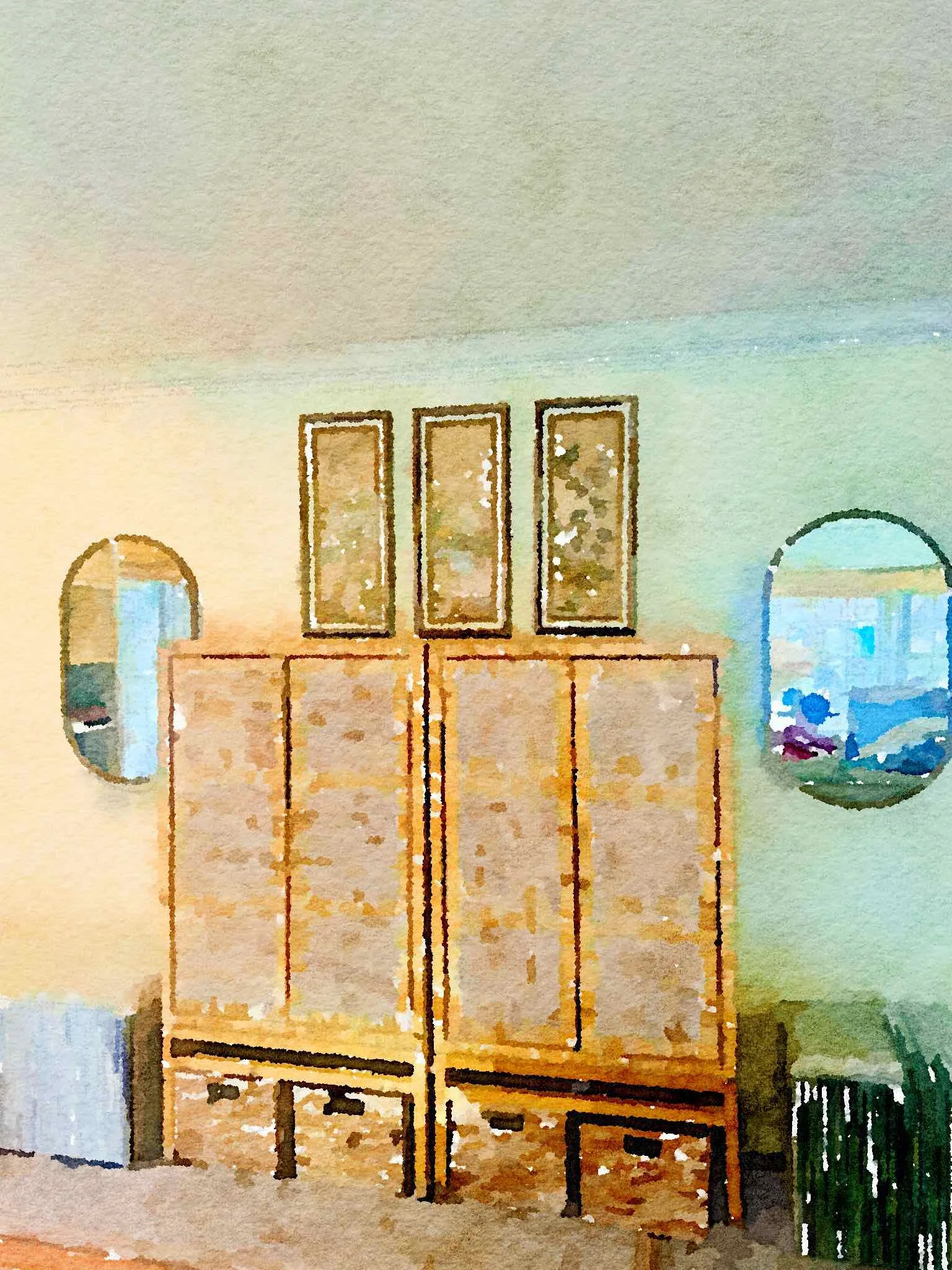
That adorable storage cube with the giraffe pattern might be perfect for a two-year-old, but it'll feel babyish by kindergarten. Instead, invest in simple, well-made storage in neutral colors and classic styles. White bookcases, natural wood bins, and simple wire baskets work just as well for board books as they do for chapter books, then later for yearbooks and college binders.
This doesn't mean everything has to be boring. Your neutral base pieces can be personalized with removable elements, like labels, paint, or accessories that can change as your child's interests evolve. The storage itself stays constant while the personality updates.
Download the free guide, 3 Easy Steps to Design Your Forever Home to create a home that works for your current and future lifestyles.
Think adjustable and modular
The best long-term storage solutions can be reconfigured as needs change. Adjustable shelving lets you space shelves close together for picture books, then spread them out for trophies and larger items later. Modular cube systems can be stacked differently or separated into different rooms as kids get older.
Look for pieces you can add to over time. A bookcase system that allows you to add more units means you can start with one piece in the nursery and build up as toy collections grow. When kids move out, those same pieces can serve other rooms in your home.
Prioritize low-to-the-ground storage for independence
When kids are young, accessible storage helps them learn to clean up independently. Low bins, open shelving, and easy-to-reach drawers let toddlers and preschoolers put away their own toys. As they grow, this same low storage becomes perfect for shoes, backpacks, and sports gear they need to grab on their way out the door.
Install closet rods at heights kids can actually reach, then add higher rods as they grow taller. A low rod for a six-year-old becomes the perfect height for folded jeans when they're twelve, and you can add a higher rod for hanging shirts above it.
Label everything (using temporary labels)
Labels help kids know where things belong, but their categories will change. Use label holders, chalkboard labels, or dry-erase surfaces instead of permanent labels. "Toy cars" can become "Art supplies" can become "School projects" without buying new bins.
Take it a step further with picture labels for young kids that can be swapped for word labels as they learn to read, then removed entirely when they're older. The same bin with the same label holder serves them from age two to twenty.
Build in flexibility for the unknown
You can't predict what your eight-year-old will be passionate about at fifteen. Design storage with lots of general-purpose space rather than hyper-specific solutions. Open shelving, deep drawers, and large bins can accommodate whatever interests develop, whether that's a rock collection, robotics supplies, or a vinyl record obsession.
Avoid built-ins that are too specific to one age or interest. A custom reading nook with tiny built-in book storage might be charming for a five-year-old but completely impractical for a teenager who needs desk space more than a nook.
Plan for growth spurts in stuff
Kids accumulate more as they get older, not less. Their tiny baby clothes might fit in three drawers, but teenage wardrobes need significantly more space. School years bring endless papers, projects, and supplies. Hobbies and sports add equipment.
Plan storage systems that can expand vertically or horizontally. Start with four cube shelves and space to add four more later. Install closet systems with room to add additional components. Building in expansion room from the beginning saves you from complete storage overhauls every few years.
Storage that grows with your kids isn't just practical, it's an investment in a more peaceful home where everything actually has a place, no matter what phase you're in.
Are you ready to create more spaces that feel this intentional?
If you're ready to move beyond scattered inspiration and start making real decisions about color, materials, room layouts, and the plan that holds it all together. The Foundations of a Forever Home Playbook is your starting point.
Inside, you'll find:
Worksheets to clarify your vision (not just what you want your home to look like, but how you want to live in it)
Room-by-room planning guides for every space
A framework for layering color, texture, lighting, and finishing touches across your entire home
A long-term design plan that lets you decorate slowly, without the pressure to finish everything at once
This is the roadmap that takes you from "I don't know where to start" to "Here's exactly what I'm doing next."