How to Refresh a Room in One Weekend, With Longevity in Mind
Many times, you don't need a full renovation. You just need a reset. There are seasons in every home where a room starts to feel stale. It may not be completely wrong, just uninspired. Maybe the layout isn't working, maybe the styling feels tired, or maybe the space just doesn't reflect who you are anymore. The temptation is to replace everything, but the forever home way is different. It's about thoughtful refinement, not impulsive reinvention. If you want to refresh a room in one weekend without creating regret later, here's how to do it strategically.
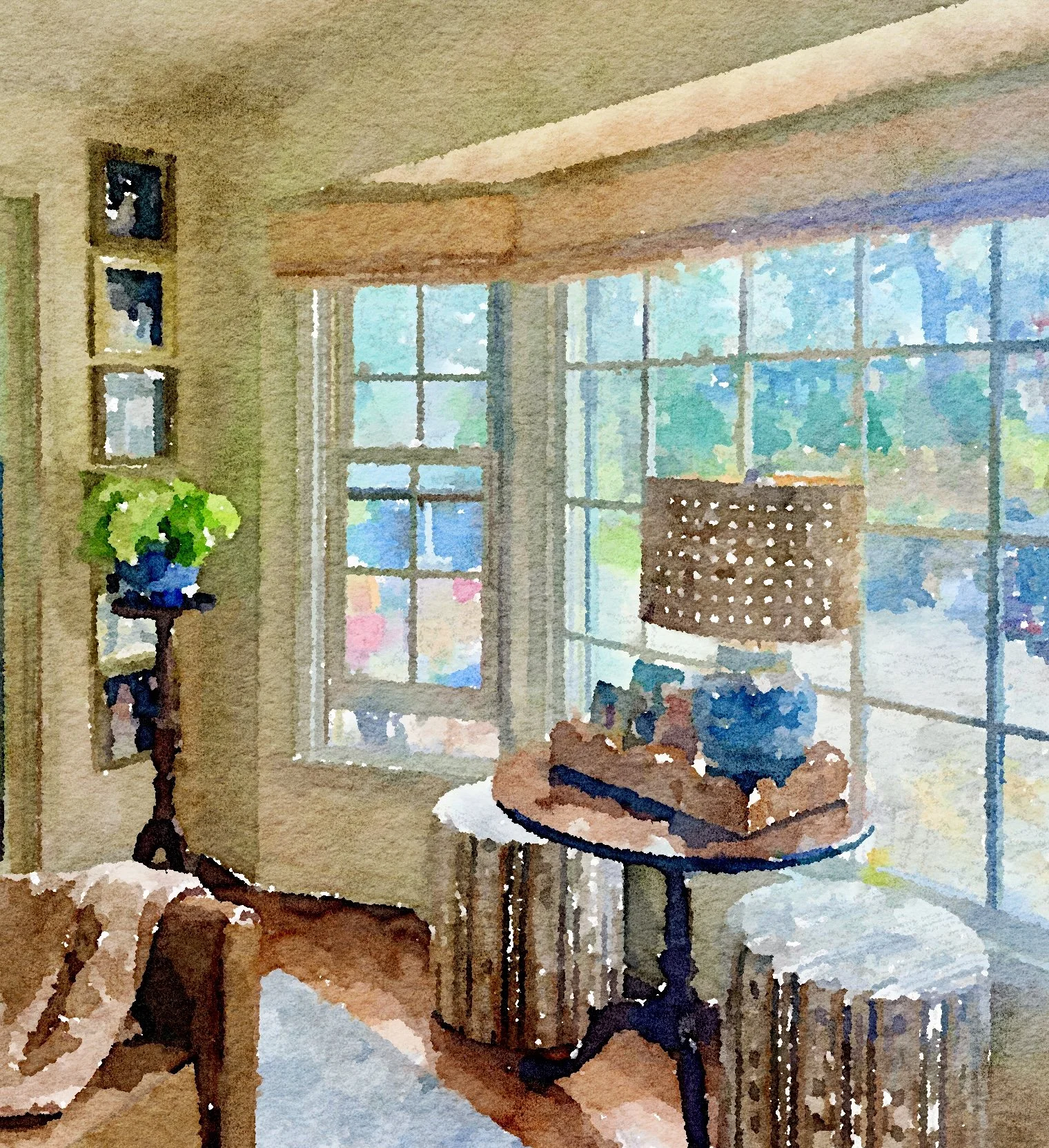
Edit before adding
The fastest way to elevate a room isn't buying something new. It's removing what doesn't belong. Start by clearing surfaces completely: coffee tables, consoles, nightstands, kitchen counters. Then step back and ask yourself what feels cluttered, what feels disconnected from the rest of the home, and what no longer aligns with your vision. Rooms often feel heavy simply because they're visually crowded, and editing immediately creates calm. A forever home values restraint, and sometimes the most powerful thing you can do is take things away rather than add more.
Download the free guide, Why Your Home Still Feels Unfinished, the simple, designer-approved guide that shows you the exact three things to fix first in your home.
Rearrange the layout
Before purchasing anything, work with what you already own. Try floating furniture away from walls, centering the rug under the primary seating, repositioning lamps for better light balance, or moving an accent chair in from another room entirely. Small layout adjustments can completely shift the energy of a space. Pay attention to traffic flow, sight lines from doorways, and whether the room naturally invites conversation. A room that functions well feels elevated even without a single new purchase.
Refresh with paint or touchup
If you have time for one meaningful upgrade this weekend, make it paint. You can repaint walls in a softer, more cohesive tone, add a fresh coat to trim, paint the back of built-ins, or refresh a vanity or dresser. Color is genuinely transformative, but only when it aligns with your whole-home palette, so avoid trendy or dramatic choices made in a rush. Instead, lean into timeless neutrals or subtle tonal shifts that connect naturally to your adjacent spaces. Consistency is what makes a quick refresh feel intentional rather than reactive.
Upgrade the details
Small hardware and lighting changes can instantly elevate a room without any construction. Consider swapping cabinet hardware, replacing dated light fixtures, updating lamp shades, changing switch plates, or adding a dimmer. These are high-impact upgrades that most people overlook, but in a forever home, details matter. They're what signal permanence and polish to anyone who walks in.
Layer intentionally
Once the foundation feels clean and cohesive, reintroduce styling thoughtfully rather than all at once. Instead of scattering decor across every surface, create simple groupings, such as a stack of books with a small object, a tray to anchor coffee table items, one large piece of art instead of several small frames competing for attention, or a touch of fresh greenery for softness. Resist the urge to over-style. Negative space is powerful, and when you layer with intention, the room feels calm and considered rather than staged.
The forever home difference
Refreshing a room quickly doesn't mean abandoning your long-term vision. It means making small, strategic changes that support your overall design direction. Before you begin any weekend project, ask yourself whether it aligns with your long-term aesthetic, whether it will still feel right in five years, and whether it's a foundational improvement or just a temporary fix.
If you're tired of rooms that never quite feel done, or buying things you end up replacing a year later, that's usually a sign you're missing a plan, not taste or budget. Finally Finished: A Forever Home Blueprint gives you that plan. It walks you through how to design a home that's cohesive, intentional, and built to evolve with you rather than against you.