Kid-Friendly Design That Still Feels Grown-Up
There’s a common myth in home design: If you have kids, your house can’t feel elevated. Because homes with kids are loud, filled with plastic, and overrun with primary colors and visible clutter, right? Homes can support children and still feel refined. The most beautiful forever homes are designed with real life in mind, not staged perfection. Kid-friendly means designing intentionally…not sacrificing style.
Here’s how to create a home that works for your children while still being the perfect setting to host the next month’s book club.
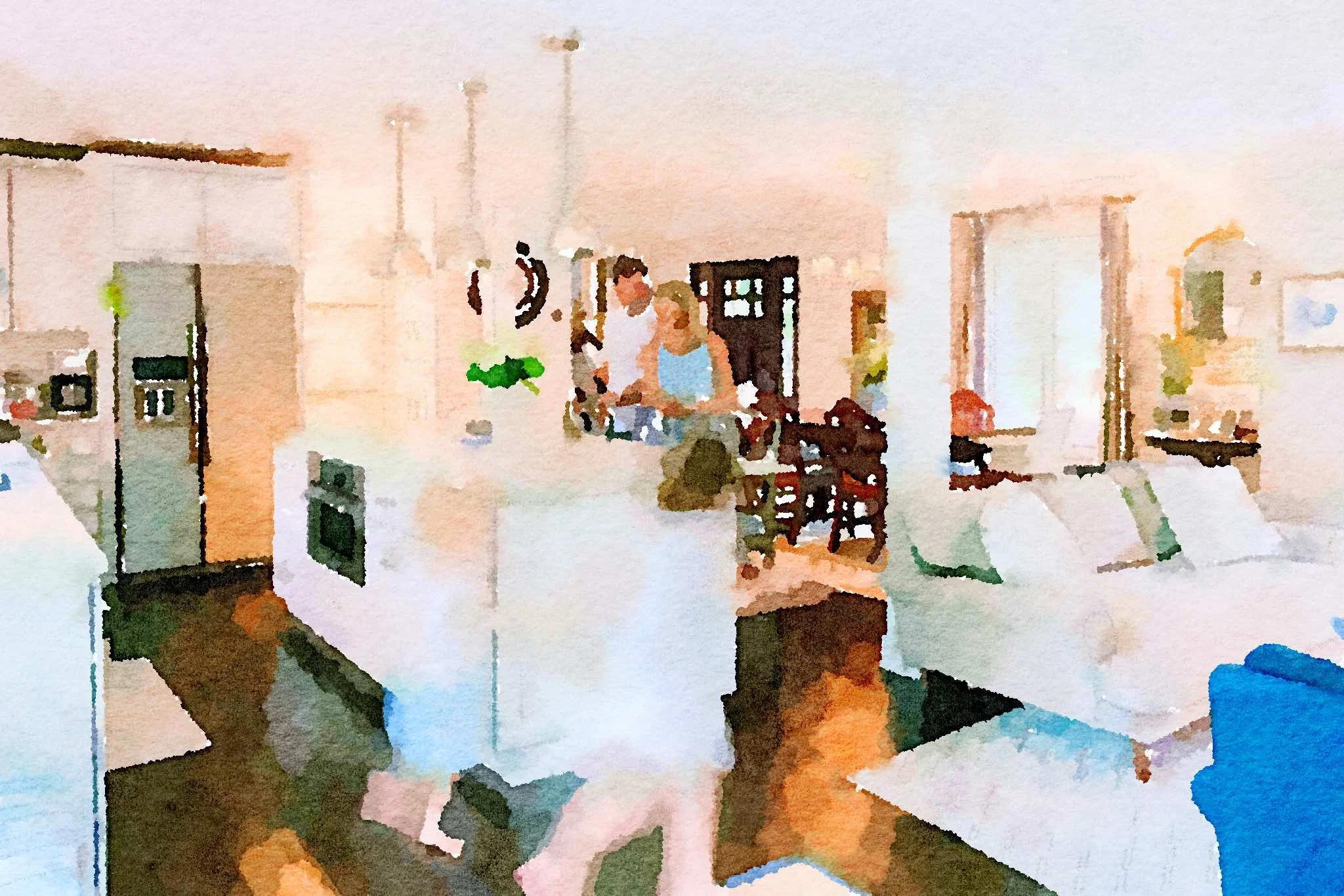
Choose durable, elevated materials
The foundation of kid-friendly design isn’t hiding toys entirely, but selecting materials that can handle life.
Think:
Performance fabrics on sofas and dining chairs
Washable slipcovers
Wood floors with matte finishes that hide scratches
Indoor-outdoor rugs in high-traffic areas
Quartz or honed stone countertops
Durability doesn’t have to look utilitarian. Many performance textiles now mimic linen and velvet beautifully. When the materials are resilient, you relax. And when you relax, your home feels better.
Download the free guide, 3 Easy Steps to Design Your Forever Home to create a home that works for your current and future lifestyles.
Contain the chaos; don’t eliminate it
Children need to create mess because that’s how they play, learn and grow. The goal isn’t zero toys, but to be able to control the visibility.
Use:
Closed cabinetry in main living areas
Woven baskets for quick cleanups
Built-in drawers for art supplies
Ottomans with hidden storage
Designated “yes spaces” where creativity is encouraged
When everything has a place, your home can transition from playtime to dinner party in minutes. Thoughtful storage is what keeps a family home from feeling chaotic.
Embrace a soft, timeless color palette
One of the simplest ways to maintain a grown-up feel is through color. Anchor your home in a soft, cohesive palette to bring an overall sense of calm to your home.
Creamy whites on the hard wipeabale surfaces (walls, cabinets)
Warm taupes, tans and woven textures
Smoky blues
Muted greens
You can layer in personality through artwork, pillows, or accessories which arae all pieces that are easy to swap as children grow. Permanent elements should remain calm and classic. This ensures your home evolves gracefully rather than feeling redecorated every three years.
Make their spaces special, but connected
Children’s bedrooms and playrooms don’t need to be design afterthoughts.
You can:
Add fun wallpaper to a ceiling
Incorporate framed art (I like Etsy printables so you can easily and affordably swap out the art as interests change).
Choose real wood furniture that can grow with them
Use beautiful task lighting
When their rooms feel thoughtfully designed, they feel cohesive with the rest of the house. The key is maintaining visual connection. The palette, trim details, and hardware should still relate to the rest of the home, to make it feel intentional rather than themed.
Design for the season you’re in, without overcorrecting
If you have toddlers, your home will reflect that. If you have teens, it will shift again. Instead of resisting the season you’re in, accommodate it thoughtfully.
Add:
A washable runner in the entry during muddy years
A homework station in the kitchen
Durable dining chairs
A reading nook for quiet time
When you design around how your family actually lives, you create ease. When you’re a parent, an easy home is the real luxury home.
The forever home balance
A grown-up home isn’t one without signs of children. It’s one where beauty and functionality coexist; It’s layered, thoughtful and flexible. When you design with a long-term vision, you avoid constant re-dos, impulse purchases, and “kid phase” regret. You build a home that supports your family now, and still feels elevated years from now.
Are you ready to create a home that feels this intentional?
If you're ready to move beyond scattered inspiration and start making real decisions about color, materials, room layouts, and the plan that holds it all together. The Foundations of a Forever Home Playbook is your starting point.
Inside, you'll find:
Worksheets to clarify your vision (not just what you want your home to look like, but how you want to live in it)
Room-by-room planning guides for every space
A framework for layering color, texture, lighting, and finishing touches across your entire home
A long-term design plan that lets you decorate slowly, without the pressure to finish everything at once
This is the roadmap that takes you from "I don't know where to start" to "Here's exactly what I'm doing next."