Lighting Placement Ideas That Change a Room’s Atmosphere
Lighting subtly controls a room's mood, atmosphere, and even how you perceive the space. While finishes, furniture, and color palettes receive much of the design spotlight, lighting placement is what can make a room come to life and give it character. Thoughtful lighting can make ceilings feel higher, rooms appear larger, and elevate a room's details. Here's how strategic lighting placement transforms a room, and how you can use it to shape spaces with intention.
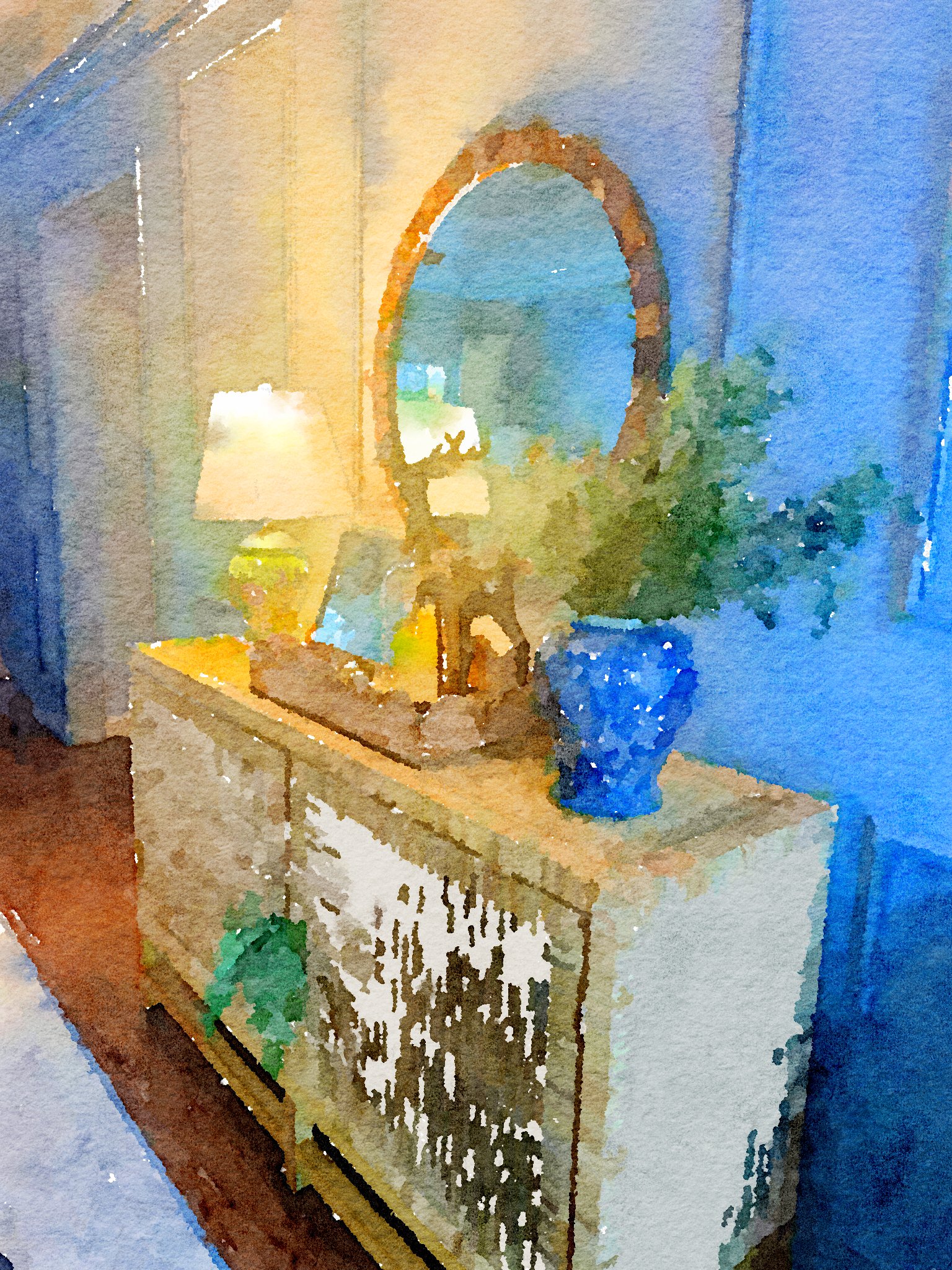
Layering light to shape atmosphere
Relying on a single overhead fixture often results in flat, uninspired rooms. Layering different types of lighting, such as ambient, task, and accent, creates depth, flexibility, and enhances the living experience in the room.
Ambient lighting sets the foundation. Overhead chandeliers or recessed lights establish general brightness.
Task lighting focuses on function. Think sconces flanking a vanity mirror or pendants above a kitchen island.
Accent lighting adds drama and intimacy, drawing the eye to art, architectural features, or textured walls.
As the lights are installed, remember that dimmer switches are the unsung heroes of layered lighting. They let you adjust the intensity of each layer, shifting a room from lively gathering space to intimate retreat with ease.
Download the free guide, 3 Easy Steps to Design Your Forever Home, to get the framework to begin designing your home intentionally.
Highlighting architecture and art
Lighting placement can direct focus toward a room's best features. For example, picture lights or ceiling-mounted spotlights can elevate art, giving it a gallery-like feel. Alternatively, wall washing bathes surfaces evenly, highlighting textures such as stone or wood.
Positioning adjustable recessed lights about 18 to 24 inches from the wall will graze artwork or millwork. This angle creates subtle shadowing, adding depth and drama.
Changing perception of scale
The way lighting is positioned influences how large or intimate a room feels.
Low, soft light from table lamps or floor lamps creates cozy, grounded environments perfect for reading nooks or dens.
Upward-facing light or uplighting on drapery rods draws the eye up, making ceilings appear taller.
Evenly spaced recessed lights can visually expand narrow hallways or low-ceilinged rooms by reducing shadows.
In expansive spaces, clustered pendant lights are used over defined areas like a dining table or seating arrangement. This anchors the zone and creates intimacy within a large footprint.
Setting the tone by color temperature
Placement matters, but so does the warmth of the light itself. The color temperature you choose subtly affects mood and perception. Mixing warm and neutral tones within a home can help to create transitions. A softly lit living space flowing into a brighter kitchen feels intentional and dynamic.
Warm light (2700K–3000K) is flattering and inviting, ideal for living rooms, dining areas, and bedrooms.
Neutral light (2700K–3500K) strikes a balance between function and comfort, making it suitable for kitchens and offices. Having dimmers installed will allow you to adjust the brightness based on the time of day.
Cool light (4000K+) is energizing but can feel sterile, and is best for garages or utility spaces.
Enhancing outdoor-indoor flow
Lighting placement doesn't stop at your walls. The positioning of exterior lighting can also transform interiors. Large windows overlooking a patio or garden benefit from thoughtful exterior lighting. Subtle uplighting on trees or pathways ensures the view at night feels alive, extending the perceived boundaries of the room.
Installing dimmable sconces or lanterns on porches and terraces can visually connect outdoor and indoor spaces, making the room feel spacious when you're hosting.
Personalizing the living experience through zones
One of the most impactful lighting strategies is to create zones within a room. Rather than flooding an entire space with brightness, use placement to highlight specific areas in the space. This may be a floor lamp next to a reading chair, a chandelier in a dining corner, or a table lamp in a conversation area. This creates rhythm and helps guide you through a room with intention.
In multifunctional rooms, wire the lighting separately for each zone. That way, the island pendants can shine while the living area rests in a softer glow.
Lighting placement is a subtle yet transformative design strategy. It defines the atmosphere, showcases the architecture, alters the perception of scale, and sets the emotional tone of a space. Lighting's magic is its ability to go unnoticed while shaping the feel of a room, ensuring your home is bathed in the right glow.
If you’re dreaming of building your forever home one intentional step at a time, thoughtful lighting is a foundational piece of the design puzzle. One you’ll plan, layer, and perfect in your Foundations of a Forever Home Playbook.