Little-Known Design Tips for an At-Home Wellness & Fitness Room
Most home gyms end up feeling like uninspiring storage rooms for equipment, and that's exactly why they don't get used. A truly effective wellness space needs more than a treadmill and some dumbbells. These lesser-known design elements transform a basic workout area into a sanctuary you'll genuinely look forward to using.
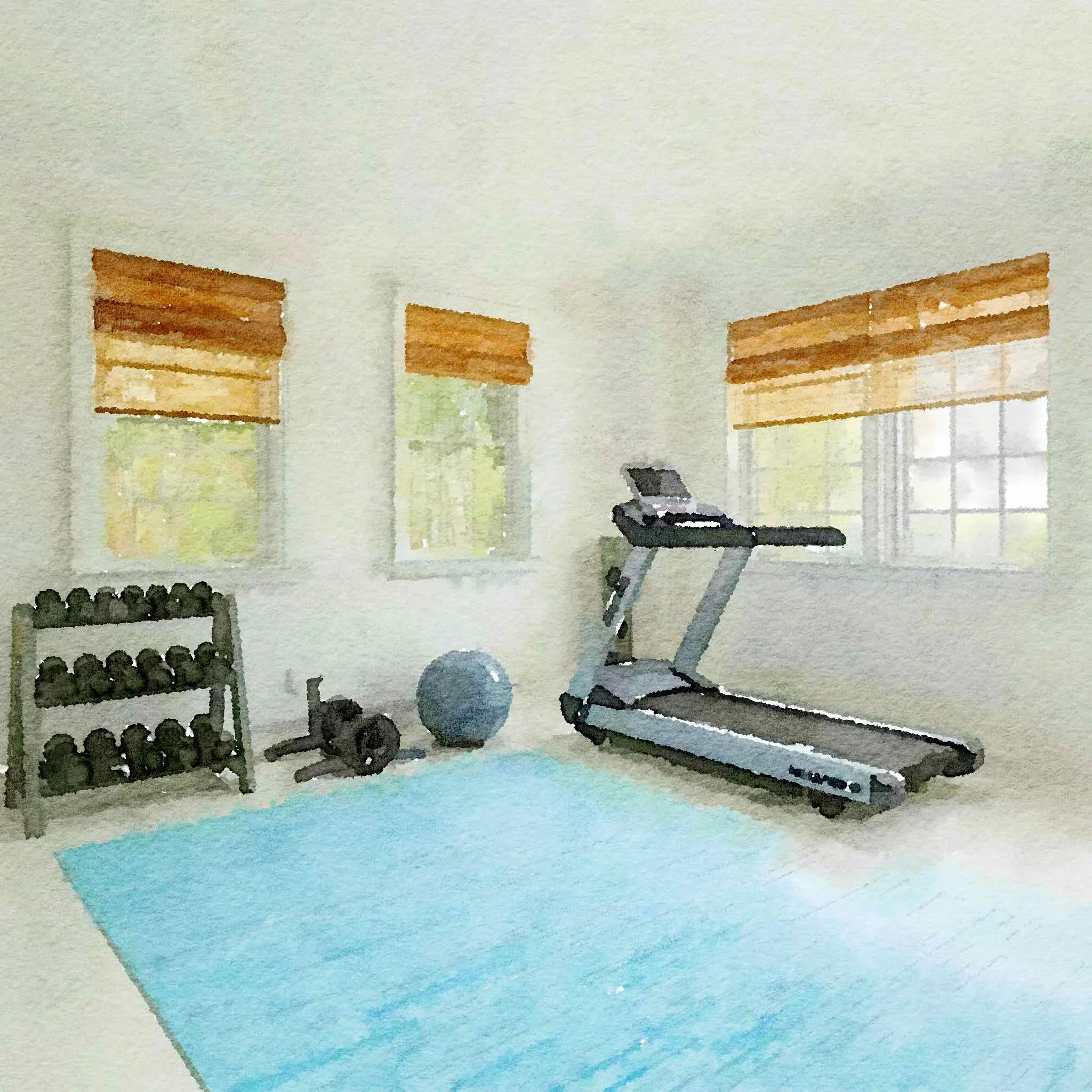
Temperature control is everything (and often forgotten)
Many home gyms lack climate control. Working out generates serious heat, and nothing kills motivation faster than a stuffy, overheated room. Make sure the room has the necessary vents, or a quality fan system that you can control independently from the rest of your home.
Consider a ceiling fan with a remote so you can adjust airflow mid-workout without interrupting your flow. In colder climates, radiant floor heating makes morning yoga sessions infinitely more appealing than stepping onto freezing floors. This single element often makes the difference between a room that gets used daily and one that sits empty.
Download the free guide, 3 Easy Steps to Design Your Forever Home to create a home that works for your current and future lifestyles.
Acoustics matter more than you think
Sound absorption rarely makes the design checklist, but it should. Hard floors and walls create an echo chamber that makes workout videos sound terrible and your own breathing feel uncomfortably amplified. Add acoustic panels disguised as wall art, floor mats, a quality area rug under your workout zone, or even fabric wall hangings to soften sound.
If your space is above or below living areas, invest in sound-dampening underlayment beneath your flooring. Your family will thank you when they're not hearing every jumping jack, and you'll feel less self-conscious working out when others are home.
Bring in natural elements (and skip the motivational posters)
Plants do more than look pretty. They improve air quality and create a spa-like atmosphere that makes your wellness room feel less clinical. Choose low-maintenance varieties like snake plants or pothos that thrive in various light conditions. The difference in how a space feels with living greenery versus sterile walls is remarkable.
Natural wood accents, even small ones like a bamboo mat holder or wooden storage boxes, add warmth that plastic equipment racks can't provide. A small water feature or essential oil diffuser contributes calming background sound and aromatherapy benefits that support recovery and stretching sessions.
Strategic mirror placement
While mirrors are standard in fitness spaces, most people install them wrong. Instead of covering entire walls (which can feel overwhelming), create intentional mirror zones. Place mirrors where you need form feedback, which is usually behind your weight area or yoga mat, but leave other walls open for calmer visuals.
Consider full-length mirrors on closet doors or as leaning floor mirrors you can move aside when you want a less reflective environment for meditation or restorative practices. This flexibility supports different types of wellness activities in the same space.
Invest in lighting layers
Harsh overhead lighting feels institutional and unflattering. Create layers instead: bright task lighting for energetic workouts, and softer ambient lighting for yoga and stretching. Warm lighting for evening wind-down sessions, and bright light for morning energy sessions.
Install dimmer switches so you can control intensity. The ability to transform your space from energizing to calming with a simple lighting change supports a full range of wellness activities without needing separate rooms.
If you’re building a room, consider finding an area that already has access to natural light, as nothing can mimic the effects of sunlight.
Design for the five-minute session
Most home gyms are designed around hour-long workouts, but the spaces that get used most cana accommodate quick sessions too. Create a corner with a mat permanently laid out, resistance bands on hooks, and a foam roller ready to grab. When you can drop in for a ten-minute stretch without setup, you'll use the space exponentially more.
This "always ready" zone should be the most visually appealing part of your room. It should be a spot that draws you in even when you're not planning a full workout.
Your home wellness space should inspire movement, not guilt. These overlooked design elements create an environment that actually supports your health goals instead of collecting dust.
Ready to create a home with rooms this intentional?
If you're ready to move beyond scattered inspiration and start making real decisions about color, materials, room layouts, and the plan that holds it all together. The Foundations of a Forever Home Playbook is your starting point.
Inside, you'll find:
Worksheets to clarify your vision (not just what you want your home to look like, but how you want to live in it)
Room-by-room planning guides for every space
A framework for layering color, texture, lighting, and finishing touches across your entire home
A long-term design plan that lets you decorate slowly, without the pressure to finish everything at once
This is the roadmap that takes you from "I don't know where to start" to "Here's exactly what I'm doing next."