Tasteful Maximalism: How to Use Color, Pattern & Texture in Your Home Without Overwhelm
More is more, until it isn't. That's the fine line most of us walk when we're finally ready to commit to a home that actually feels like us. If you've been playing it safe with greige walls and matching furniture sets because you're afraid of getting it wrong, it's time to give yourself permission to go a little bolder. Tasteful maximalism isn't about cramming every surface with stuff. It's about making intentional, layered choices that tell a story (specifically, yours!) without the room screaming at you when you walk in.
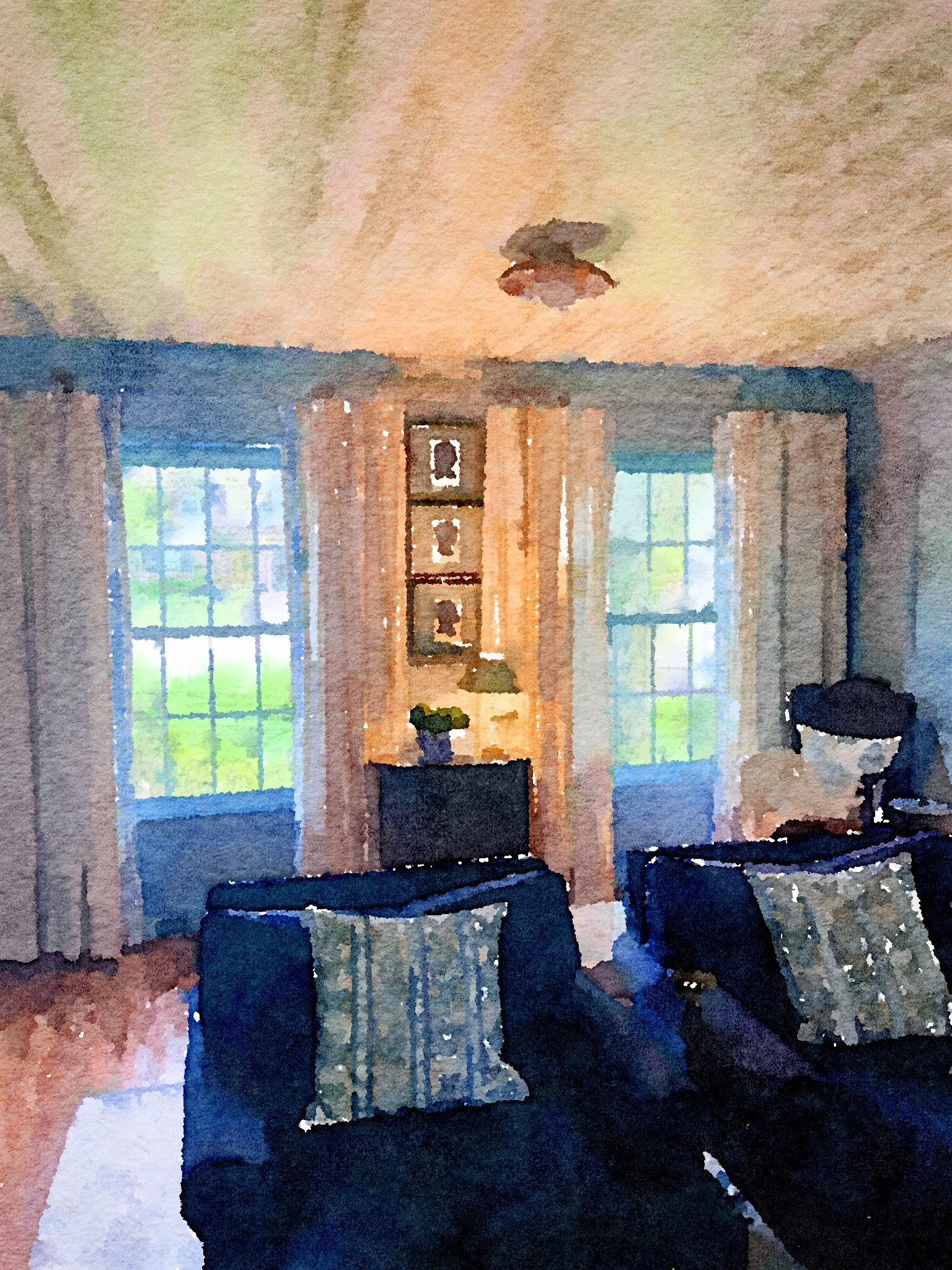
Start with a color anchor
The reason maximalist rooms feel overwhelming is usually an absence of order, not an abundance of personality. The fix? Choose one dominant color and let everything else play off it.
Pick a wall color, a sofa, or even a large area rug as your anchor. From there, you can layer in two or three supporting hues pulled directly from that anchor piece. A deep teal sofa, for example, opens the door to warm terracotta accents, mustard throw pillows, and touches of brass hardware without the room feeling chaotic. The colors are varied, but they're in conversation with each other.
Think of it like getting dressed. A maximalist outfit doesn't mean throwing on every piece you own. It means confidently mixing prints and textures that share at least one common thread.
Pattern mixing: the rule of three
Mixing patterns is the move that makes most homeowners hesitate. But there's a simple framework that works every time: vary the scale.
Pair a large-scale pattern (think a bold botanical wallpaper or oversized geometric rug) with a medium-scale pattern (a classic stripe or block print on throw pillows) and a small, subtle pattern (a textured linen or a delicate embroidered detail). When you vary the scale, your eye moves naturally through the room rather than getting stuck or confused.
The key is to keep at least one or two colors consistent across all three patterns. That shared thread is what makes a layered room feel designed rather than decorated by accident.
Texture is your secret weapon
If color and pattern feel too bold a starting point, texture is your gateway to maximalism. It adds visual richness and depth without demanding attention the way a bright color or busy print does.
Layer a chunky knit throw over a velvet sofa. Place a woven jute rug under a sleek wooden coffee table. Mix matte ceramic vases with glossy glazed ones on a shelf. These contrasts, rough and smooth, matte and shiny, light and heavy, create that layered, lived-in quality that makes a room feel full of intention rather than decoration afterthought.
Texture also photographs beautifully, which matters if you ever want your forever home to look as good on a screen as it does in person.
Curate, don't accumulate
Maximalism gets a bad reputation because of clutter. But these two things are not the same thing. Clutter is random. Maximalism is curated. The difference lies in why something is in the room.
Before adding any new piece, ask yourself: do I love this, or am I just filling space? Every object you display should earn its place, whether it's sentimental, beautiful, functional, or all three. A gallery wall of framed family travel photos is maximalist. A stack of unopened mail next to a dying plant is just clutter with better lighting.
To do: Do a one-room edit. Walk through one space in your home and remove anything that doesn't have a reason to be there. Then notice how much easier it is to see the pieces you actually love.
Use the "60-30-10" color rule as your safety net
If you're nervous about going bold with color, this classic designer formula is your permission slip. Apply your dominant color to 60% of the room (walls, large furniture, or flooring), your secondary color to 30% (curtains, an accent chair, bedding), and your accent color to the remaining 10% (throw pillows, artwork, decorative objects).
This ratio naturally creates balance no matter how saturated or unexpected your color choices are. Want deep plum walls, cognac leather seating, and pops of emerald green? The 60-30-10 rule will keep it grounded.
To do: Pull up a photo of a room you love and try to identify the 60-30-10 breakdown. You'll start to see the structure underneath the style.
Layer lighting like You layer décor
One of the most overlooked tools in creating a rich, maximalist space is lighting. Specifically, using multiple light sources at different heights. Overhead lighting alone flattens a room. Layered lighting creates atmosphere, highlights your best pieces, and makes every texture and color read the way it's meant to.
Aim for at least three light sources per room: (1): an overhead fixture, (2): a floor or table lamp, and (3): accent lighting (think picture lights, candles, or under-shelf LEDs). Warm-toned bulbs (2700–3000K) make colors feel richer and more cohesive, which is especially important in a maximalist space where you want everything to glow together rather than compete.
To do: Count the light sources in your living room right now. If it's just one overhead fixture, add a floor lamp this week. It's one of the highest-impact, lowest-cost changes you can make.
Permission to commit
The biggest obstacle to achieving a maximalist space isn't design knowledge, it's commitment. So many people stop just short of the finish line, pulling back on the wallpaper, choosing the safer pillow, editing the collection down until the room loses its personality entirely.
Your forever home should feel like a full exhale. It should be layered, warm, and unmistakably yours. Tasteful maximalism gives you the framework to go bold, intentional, and without regret.