Creating an Entryway When There Isn't One
First impressions matter, including the one your home makes the moment you walk through the door. But not every home comes with a dedicated entryway. Many houses open directly into a living room, dining area, or kitchen, leaving you with no natural place to land when you arrive or send guests off when they leave. The good news is that a functional, beautiful entryway does not require a separate room. With a few intentional design moves, you can create the feeling of an entry just about anywhere.
Define the space visually
The first step to creating an entryway where one does not exist is to define the zone. In an open floor plan, this is less about walls and more about visual cues that signal a transition from outside to inside. An area rug is one of the most effective tools for this. Choose a rug that is durable, easy to clean, and distinct enough from your main living area rug to clearly mark its own territory. A runner works particularly well in narrow spaces, while a smaller rectangular or round rug can anchor a defined zone near the door in a more open layout.
Add a console or entryway table
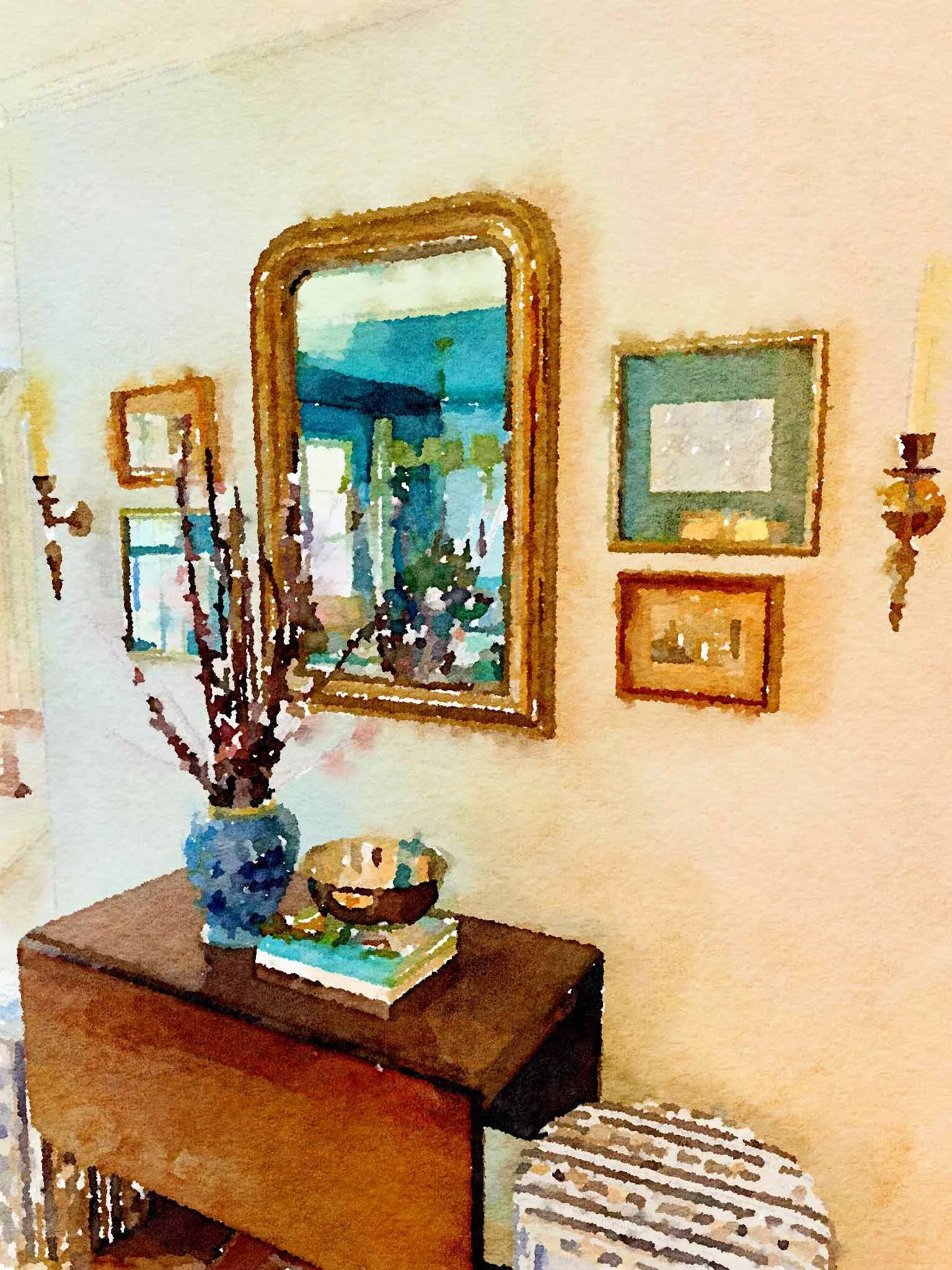
If space allows, a narrow console table positioned near the front door instantly establishes an entry zone. It gives you a surface to drop keys, mail, and bags when you walk in, and it creates a natural focal point that anchors the area. Style it with a small lamp for warmth, a tray to corral everyday essentials, and one or two decorative objects that reflect the personality of your home. The most important thing to remember is to keep it edited. A cluttered console defeats the purpose entirely.
Incorporate vertical storage
In a small or improvised entryway, vertical space is your best friend. A wall-mounted coat rack or a row of hooks installed at varying heights keeps bags, jackets, and accessories off the floor without eating into your square footage. If you have slightly more room to work with, a slim entryway bench with built-in hooks above it serves double duty by providing both seating and storage. Add a basket or two underneath the bench for shoes, umbrellas, or reusable bags to keep the floor clear and the space looking intentional.
Make room for seating
Having a dedicated place to sit while putting on or taking off shoes keeps the routine from spilling into the rest of the house and makes the transition in and out feel more composed. It is also a practical courtesy for guests. If space is tight, a small upholstered bench, a slim wooden stool, or even a pair of stacked ottomans can do the job without overwhelming the area. Look for options with hidden storage inside the seat to maximize function, like storing shoes, seasonal accessories, or keeping pet supplies out of sight while keeping the space tidy. If floor space is truly limited, a wall-mounted fold-down seat is a clever solution that disappears completely when not in use.
Use a mirror to anchor and open the space
A mirror is a non-negotiable in any entryway, real or created. Functionally, it gives you a place to do a last-minute check before heading out the door. Visually, it reflects light, makes the space feel larger, and signals that the area has been thoughtfully designed. Lean a large mirror against the wall for an effortless, casual feel, or hang a statement mirror above your console table to create a more formal, polished look.
Layer in lighting
If your front door area relies solely on overhead lighting, it is likely to feel flat and uninviting. A small table lamp on your console, a wall sconce on either side of the door, or even a plug-in pendant can add warmth and dimension that transforms the entire entry experience. Lighting is one of the details that signals intention, and in a created entryway, intention is everything.
Set the tone for the rest of your home
Your entryway, however improvised, is the first impression of your home. The colors, textures, and objects you choose here should offer a preview of what lies beyond. Keep it cohesive, keep it functional, and keep it personal.
If creating spaces that feel intentional and truly yours resonates with you, Finally Finished: A Forever Home Blueprint was written with exactly that in mind. It is a practical, room-by-room guide to building a home that works for your real life.