Creating Flexible Spaces That Work for Real Life
As your life evolves, so does the way you live in your home. Rooms that once had a single purpose may now need to flex between multiple functions, such as an office during the day, a play area after school, and a space to unwind in the evening. When designed thoughtfully, these environments feel cohesive, comfortable, and effortless, no matter how they’re being used. Here are ways to create flexible spaces that evolve with your daily life.
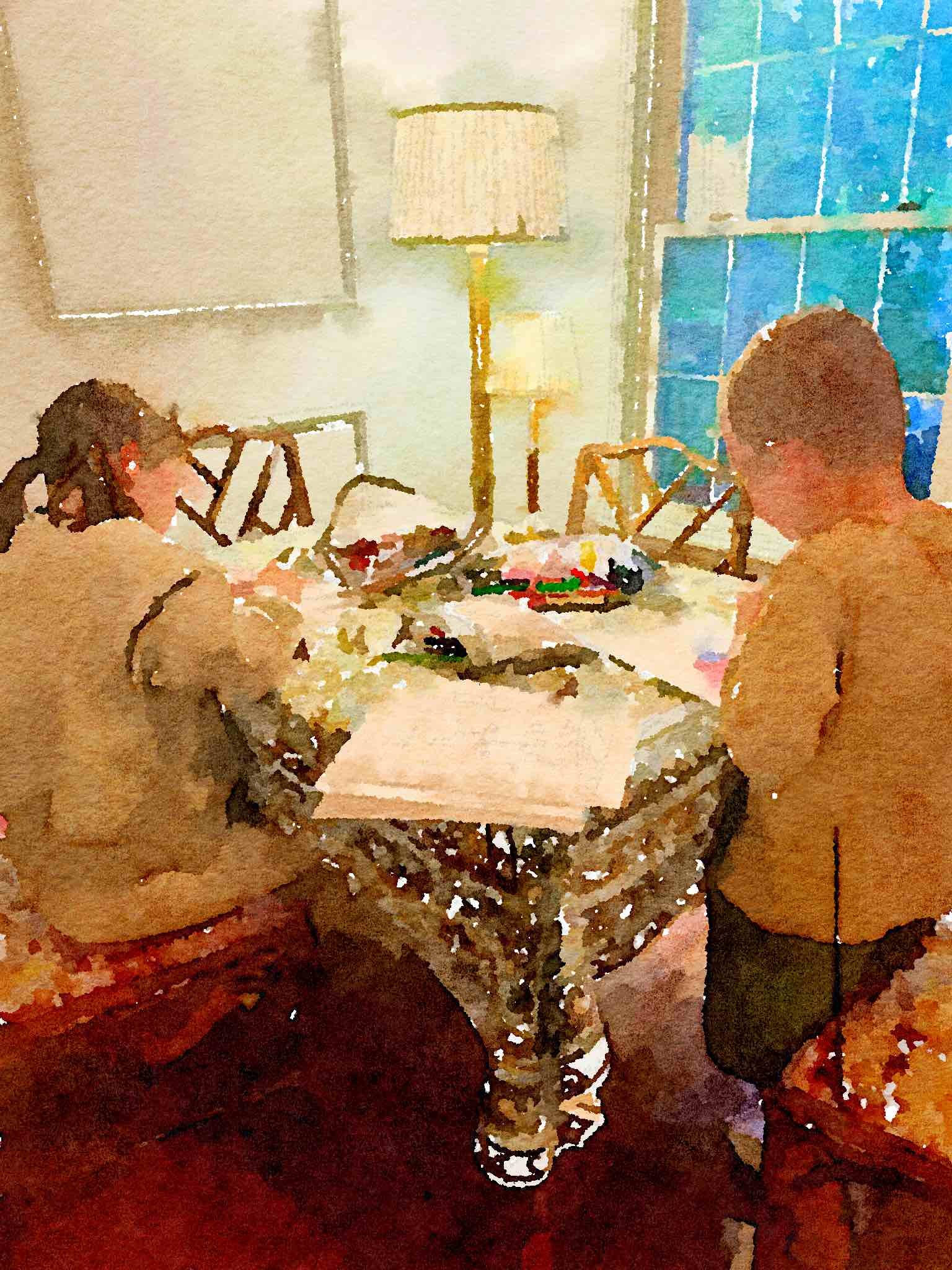
Start with zones, not walls
Flexibility doesn’t always require major renovations. Instead of dividing rooms with permanent walls, think in terms of zones. Each zone can be dedicated to a different activity, yet still work harmoniously as part of the whole.
To delineate distinct areas for work, play, and relaxation, use area rugs, furniture placement, or even lighting. For example, a desk facing a window can define a workspace, while a sectional sofa anchors the relaxation zone.
Zones feel most natural when transitions are subtle. Think of a single color palette flowing through, but with slightly different tones or textures to differentiate activities.
Download the free guide, 3 Easy Steps to Design Your Forever Home, to get the framework to begin designing your home intentionally.
Choose furniture that works harder
Adaptable furniture is the backbone of a flexible room. Pieces that serve more than one purpose keep spaces uncluttered and fluid.
Work: A console table can double as a writing desk when needed.
Play: Storage ottomans or benches hide toys or games, then offer seating when entertaining.
Relax: A sleeper sofa turns a lounge into a guest retreat.
To easily move furniture around your house, prioritize pieces with casters or lightweight frames that can be easily moved when the room needs to shift focus.
Layer lighting for every mood
Lighting transforms how a room feels and functions. A space with multiple purposes requires lighting that adapts just as easily.
Here are lighting layers to consider as you create a multi-functional space:
Work mode: Task lamps or directional sconces support focus.
Play mode: Ambient lighting, like flush mounts or recessed lights, provides even illumination.
Relaxation mode: Dimmable fixtures and candles create a warm and calming atmosphere.
To easily customize the lighting, smart lighting systems allow you to pre-set moods. One tap shifts the room from productivity to playfulness to serenity.
Create a layered lighting plan by downloading The Foundations of a Forever Home Playbook, a 60+ page guide to finally design and complete the home you’ll love for years to come.
Keep storage stylish but functional
Clutter is the enemy of flexibility. To transition smoothly between activities, storage must be both accessible and discreet. Mix open and closed storage. Open shelving allows you to display personal touches, while concealed options keep the room polished and ready for its subsequent use.
Some efficient storage solutions include:
Built-in cabinetry can hide office supplies during dinner parties.
Baskets or lidded bins make it easy to sweep away children’s toys.
A bar cabinet transforms from a workspace storage unit to an entertaining hub in seconds.
Integrate technology thoughtfully
In flexible spaces, technology should be a background convenience rather than a distraction. So, consider wireless solutions whenever possible. Reducing visual clutter helps a room feel calming, even when it’s packed with functionality.
Here are ways to thoughtfully integrate technology:
Work: Hidden charging stations and cable management keep desks clear.
Play: Speakers integrated into shelving provide easy music control.
Relaxation: A discreet projector screen can appear only when movie night begins.
Prioritize comfort across functions
The most flexible rooms succeed because they’re comfortable for everyone, no matter the activity. This doesn’t mean everything has to be plush. It means materials and layouts are contemplated. You can maintain consistency in comfort by keeping a cohesive color story throughout, even as textures and forms shift.
Add layered textiles, such as throws and pillows, that can be rearranged to create different moods.
Incorporate seating of varying types, including desk chairs for optimal posture, lounge chairs for relaxation, and poufs or stools for casual use.
Use acoustic elements, such as curtains or rugs, to soften noise when the room changes roles.
A genuinely flexible space is more than a multi-purpose room. It’s a carefully designed environment that adapts without losing its sense of style or comfort. Creating spaces that flow effortlessly between work, play, and relaxation allows the rooms to adjust to your household’s needs. Ultimately, the most memorable homes are those that seamlessly and intentionally meet the rhythms of life.
Are you ready to create your forever home? Download The Foundations of a Forever Home Playbook, a guide to help you slowly and intentionally design your home to reflect the season of life you’re in, and meet you where you want to be.