Step-by-Step: Creating a Living Room Layout That Works for Real Life
Your living room needs to do a lot. It's where movie nights happen, where homework gets spread across the coffee table, where you finally sit down with a book after everyone's in bed. A layout that only looks good in photos won't cut it. You need something that actually supports how your family lives, day in and day out. The good news? Creating a functional living room layout doesn't require starting from scratch or hiring a designer. It just takes a thoughtful approach and a willingness to prioritize real life over a magazine-perfect aesthetic.
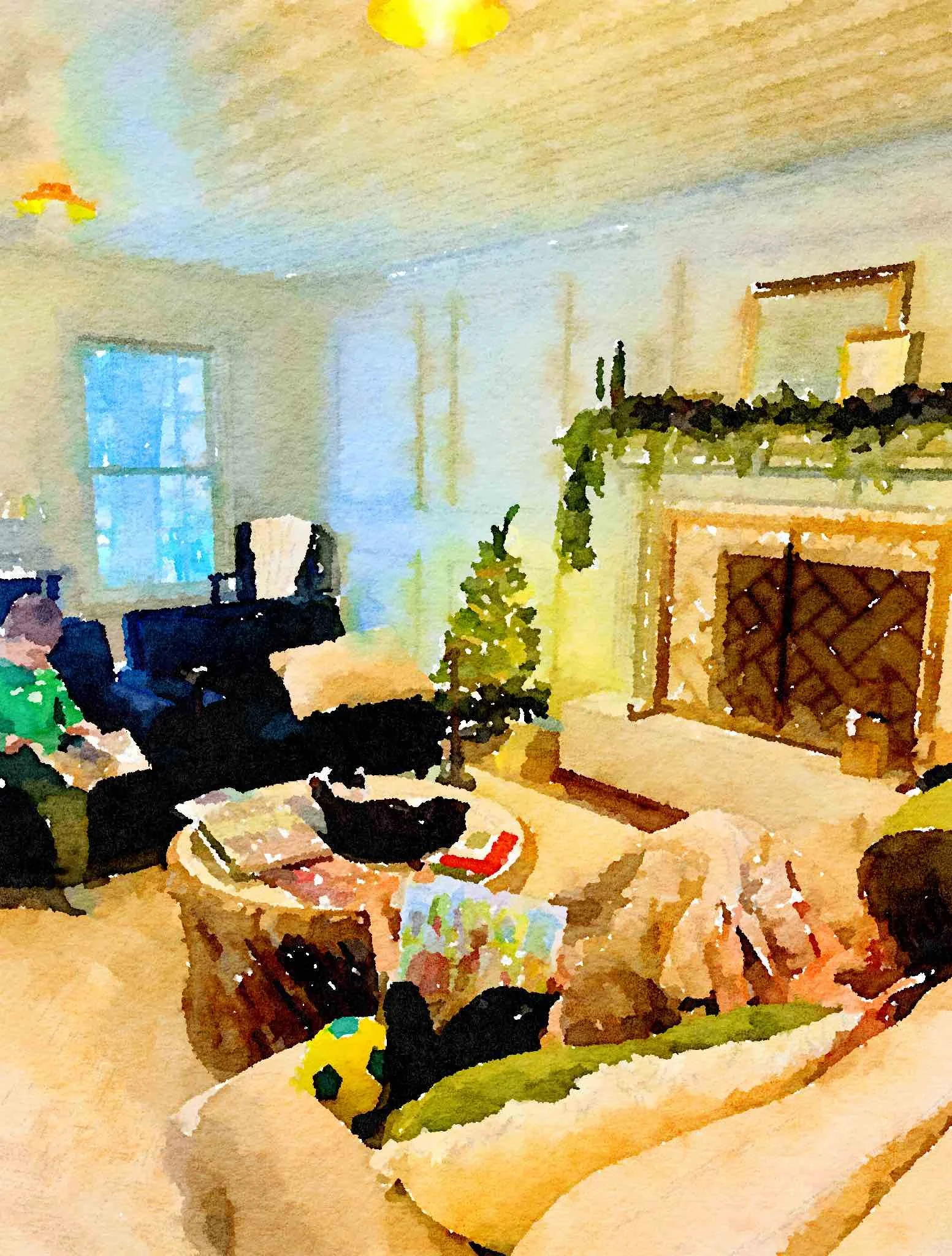
Start by mapping your daily activities
Before you move a single piece of furniture, spend a few days observing how your family actually uses the living room. Do the kids gravitate toward one corner for reading? Does everyone end up huddled on one side of the couch during family time? Do you need a spot to fold laundry or answer emails? Write down the activities that happen most often. This list becomes your blueprint. Your layout should support these patterns, not fight against them.
Download the free guide, 3 Easy Steps to Design Your Forever Home, to get the framework to begin designing your home intentionally.
Identify your focal point
Every successful living room has a clear focal point, whether it's a fireplace, a large window with a view, or a media console. This anchor point helps organize the rest of your furniture and creates visual balance. If your room has a natural focal point, work with it. If not, you can create one. A gallery wall, a beautiful piece of art, or even a well-styled bookshelf can serve as the room's visual center.
Position seating for conversation and function
Once you've identified your focal point, arrange seating to face it while still encouraging connection. Avoid pushing all furniture against the walls. Floating pieces away from walls often creates a more intimate, functional layout. Aim for a conversational grouping where people can comfortably talk without shouting across the room. This typically means seating placed 8 to 10 feet apart. If your family watches TV together often, ensure everyone has a clear sightline without neck strain.
Think about traffic flow too. Leave at least 30 inches for main walkways so people can move through the space easily, even when the room is in full use.
Ready to design a layout that finally feels right? Download The Foundations of a Forever Home Playbook, your guide to creating spaces that work beautifully for every season of life.
Build in flexible zones
If your living room needs to handle multiple activities, create distinct zones within the space. An area rug can anchor the main seating area, while a smaller rug near the window defines a reading nook. A console table behind the sofa can become a landing spot for school papers or a work-from-home zone when needed.
These zones don't need walls or dividers. Subtle shifts in furniture placement and lighting are enough to signal different purposes while keeping the room feeling open and cohesive.
Layer in the right lighting
Overhead lighting alone makes a living room feel flat and uninviting. Layer in table lamps, floor lamps, or wall sconces to create warmth and flexibility. Position lamps near seating areas for reading, and consider dimmers to adjust the mood throughout the day.
Good lighting transforms how a space functions. Bright task lighting helps with homework and projects, while softer ambient lighting creates a calm atmosphere for unwinding in the evening.
Add storage that blends in
Clutter disrupts even the best layouts. Build in storage that feels intentional rather than like an afterthought. A storage ottoman serves as extra seating and hides toys or blankets. Floating shelves display meaningful items while keeping surfaces clear. A media console with closed cabinets conceals the visual chaos of remotes, chargers, and games.
The key is making storage accessible enough that everyone actually uses it, but discreet enough that it doesn't dominate the room.
Test and adjust
Once your layout is in place, live with it for a week or two before making final decisions. Notice what works and what doesn't. Do people keep moving the ottoman to the same spot? Is the reading chair getting used, or does it just collect laundry? Small adjustments now prevent bigger frustrations later. A truly functional living room layout isn't about following a formula. It's about creating a space that adapts to your family's rhythms and supports the life you're building together.
Are you ready to design a home that works as beautifully as it looks? Download The Foundations of a Forever Home Playbook, a 60+ page guide to help you create spaces you'll love for years to come.