How to Live Beautifully in the Before
You know the kitchen needs to be gutted. The primary bath is on borrowed time. The layout that worked when you bought the house doesn’t work anymore. But the renovation isn’t happening this year (not likely not next year either).
So you’re stuck in the in-between. This looks like living in a home you know will eventually transform, but it really needs to function now. You want it to feel finished without wasting money on things that won’t survive the demolition. Its design limbo, and it’s paralyzing.
You don’t want to invest in flooring you’ll rip out. You don’t want to commit to built-ins that won’t make sense once the walls come down. But you also don’t want to live in a space that feels temporary, unfinished, or like you’re just marking time until the “real” house begins.
Here’s what I’ve learned: You don’t have to choose between living well now and planning smartly for later. You can do both. You just need to know where to spend, and where to hold back.
Download the free guide, 3 Easy Steps to Design Your Forever Home, to get the framework to begin designing your home intentionally.
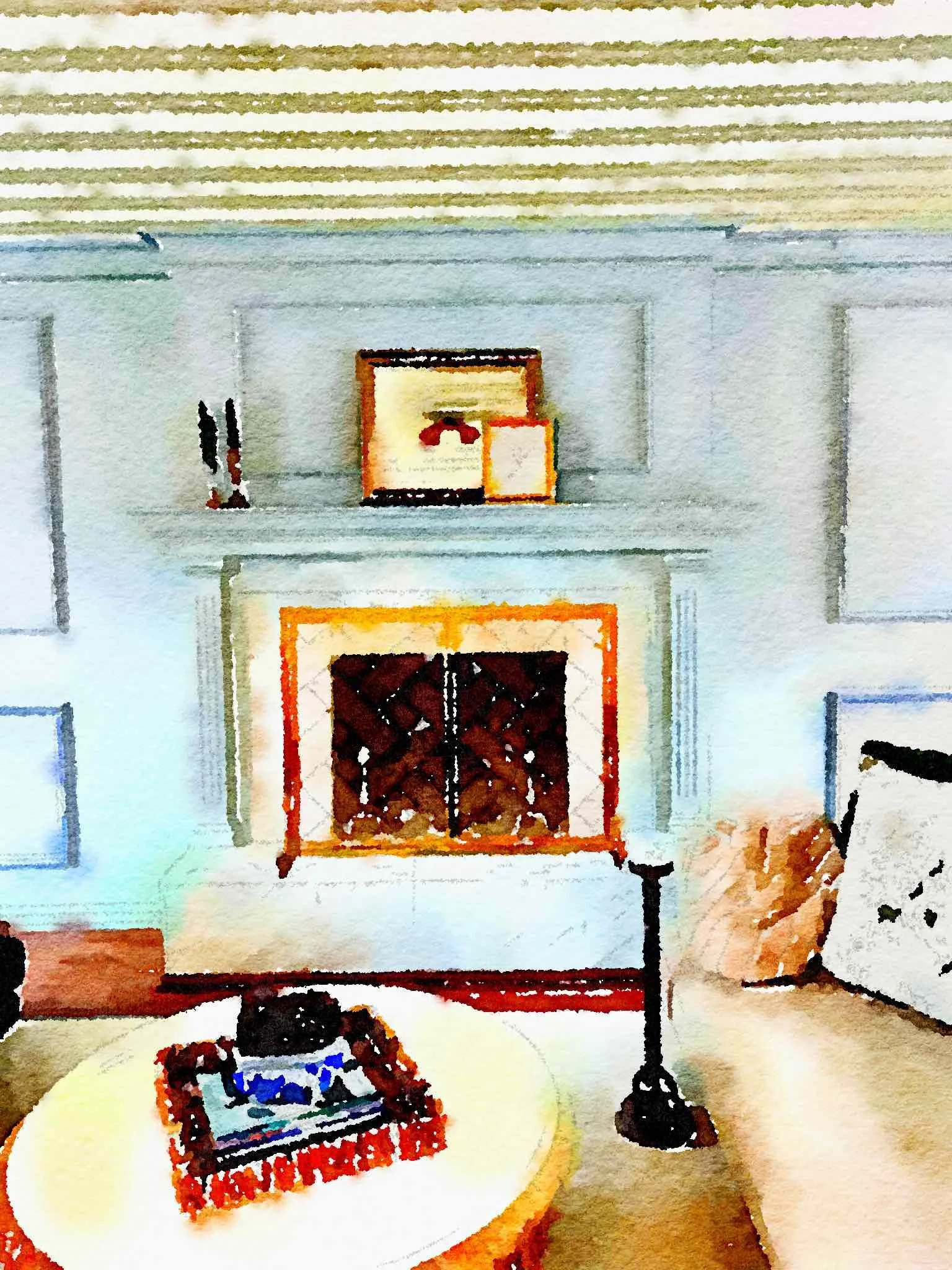
Focus on furniture, not finishes
When you know a renovation is coming, the instinct is to hold off on everything. Don’t paint. Don’t update the floors. Don’t touch the kitchen. That instinct is right, but only for the permanent things.
Finishes, flooring, tile, cabinetry, built-ins, these are the bones of the space. If they’re going to change, don’t spend there. But furniture? Furniture moves with you.
A well-made sofa will live through multiple versions of your home. A solid dining table doesn’t care what the walls around it look like. Rugs can be rolled up and repositioned. Lighting can hang in a different room.
These are the investments that make sense now, because they’re not tied to a specific layout or a floor plan that’s about to be redrawn.
Choose the classic shapes that set a neutral foundations. These are the pieces that feel timeless rather than trendy. When the renovation finally happens and the space opens up or shrinks down or shifts entirely, you won’t be starting over. You’ll just be rearranging what already works.
If you’re unsure whether something will fit post-renovation, choose pieces that are flexible in scale or can easily be repurposed elsewhere. A console that works in the entryway now might end up in the bedroom later. A pair of side chairs might move from the living room to a new office. Let your furniture be adaptable.
Use layers to make it feel finished
You don’t need a full renovation to make a space feel complete. You just need the right layers. This is where many people underestimate what’s possible. They think, “incomplete space = wait until construction.” But soft layers do a surprising amount of visual work, and they’re the easiest things to swap out later.
Here’s what I mean:
Area rugs define spaces and add warmth, even in rooms with floors you hate. They ground furniture, absorb sound, and make a room feel intentional. And when the new floors go in, you can move them or replace them without regret.
Curtains or Roman shades soften windows, add privacy, and make a room feel taller and more finished. Linen panels hung high and wide transform a space, even if the trim around the window is builder-grade and you plan to replace it eventually.
Pillows and throws add texture, depth, and seasonal shifts. They’re the fastest way to make a sofa feel considered instead of just functional.
Table lamps change everything. Overhead lighting is harsh. A lamp on a side table or console creates warmth and mood. It’s one of the lowest-cost, highest-impact changes you can make.
These elements create polish without permanence. They make your home feel like home, not a placeholder. When construction starts, you can pack them up, move them to another room, or take them with you into the next version of the space.
Choose neutral foundations and personal details
When you know your home will change structurally, your larger choices should stay calm and adaptable. Neutral doesn’t mean boring, it means flexibility.
Let your big pieces, the sofa, the bed frame, the dining table, be the steady, reliable anchors, and let your personality show up in the details.
Artwork that reflects your taste and can move to any wall.
Decorative objects that tell a story, such as ceramics, vintage finds, things you’ve collected over time.
Accent chairs or stools in a bolder fabric or an unexpected shape. These are small enough to take risks on, easy enough to replace or relocate.
Styling moments on shelves, counters, and surfaces…all the things that make a house feel lived-in and loved.
This approach gives you the best of both worlds. Your home feels personal and intentional now, but you’re not locked into big decisions that may not suit the future layout or design direction.
You’re leaving room for the home to evolve, without living in a blank slate while you wait.
Focus on function first, aesthetics second
When you’re in a transitional season, prioritize how a piece works over how perfectly it matches your long-term vision.
Before you buy anything, ask yourself:
Does this solve a daily problem?
Will this make my home easier or more comfortable to live in right now?
Can it adapt to a different room or function later?
If the answer is yes, it’s likely a smart purchase, even if it’s not your forever piece.
Maybe it’s a budget-friendly bookshelf that organizes the chaos in your home office. Maybe it’s a console table that gives you a place to drop keys and bags when you walk in the door. Maybe it’s blackout shades for the bedroom because you need to sleep well, regardless of whether those windows will eventually be replaced.
These aren’t mistakes. They’re practical investments in living well during the in-between. When the renovation happens, you’ll either find a new place for them, or you’ll let them go without regret, knowing they served their purpose.
Give yourself permission to evolve
A forever home isn’t built in one phase. It’s built through thoughtful choices made over time. Through seasons of waiting and seasons of action, and living in the before while planning for the after.
Decorating for now doesn’t mean settling. It means being realistic about where you are today, and refusing to put your life on hold until everything is perfect.
You can make your home beautiful even if it’s temporary.
You can invest in comfort even if the layout will change.
You can live fully in this version of your home while planning for the next one.
The renovation will come, the walls will move, the finishes will be everything you’ve envisioned. But in the meantime, your everyday life deserves to feel intentional, comfortable, and completely yours.
Are you ready to live beautifully in the before?
Whether you're navigating renovation limbo or just trying to make sense of scattered inspiration and half-finished rooms, The Foundations of a Forever Home Playbook gives you the clarity and structure to move forward—at your own pace, on your own terms.
Inside, you'll find:
Worksheets to define your vision and identify what matters most in each phase of your home
Room-by-room planning guides that work whether you're renovating next month or next year
A framework for making smart investments now that will carry through future changes
A long-term design plan that evolves with your life, not against it
This is the roadmap that helps you create a home that feels intentional today—while building toward the forever version you're envisioning.