The Thing Your Rooms Are Missing (And It's Not Color)
You've chosen the paint. You've found the sofa. You've arranged the furniture exactly where it should go. And still, something feels off. When you walk into it, it feels flat. A little cold. Like it's waiting for something you can't quite name. What's missing isn't another pillow or a different rug or a bolder accent wall. It's texture.
Not the decorative kind, the kind that's listed as a design tip you scroll past. The foundational kind. The kind that makes a room feel like it has dimension, like it's been lived in and loved, like it belongs to someone with a point of view.
Texture is what separates a room that looks styled from a room that feels complete. And most of us get it wrong. Not because we don't care, but because we don't know how to layer it without the space feeling chaotic or overly done. So let's talk about how to do it right. Room by room. The way it actually works in real life.
Download the free guide, 3 Easy Steps to Design Your Forever Home, to get the framework to begin designing your home intentionally.
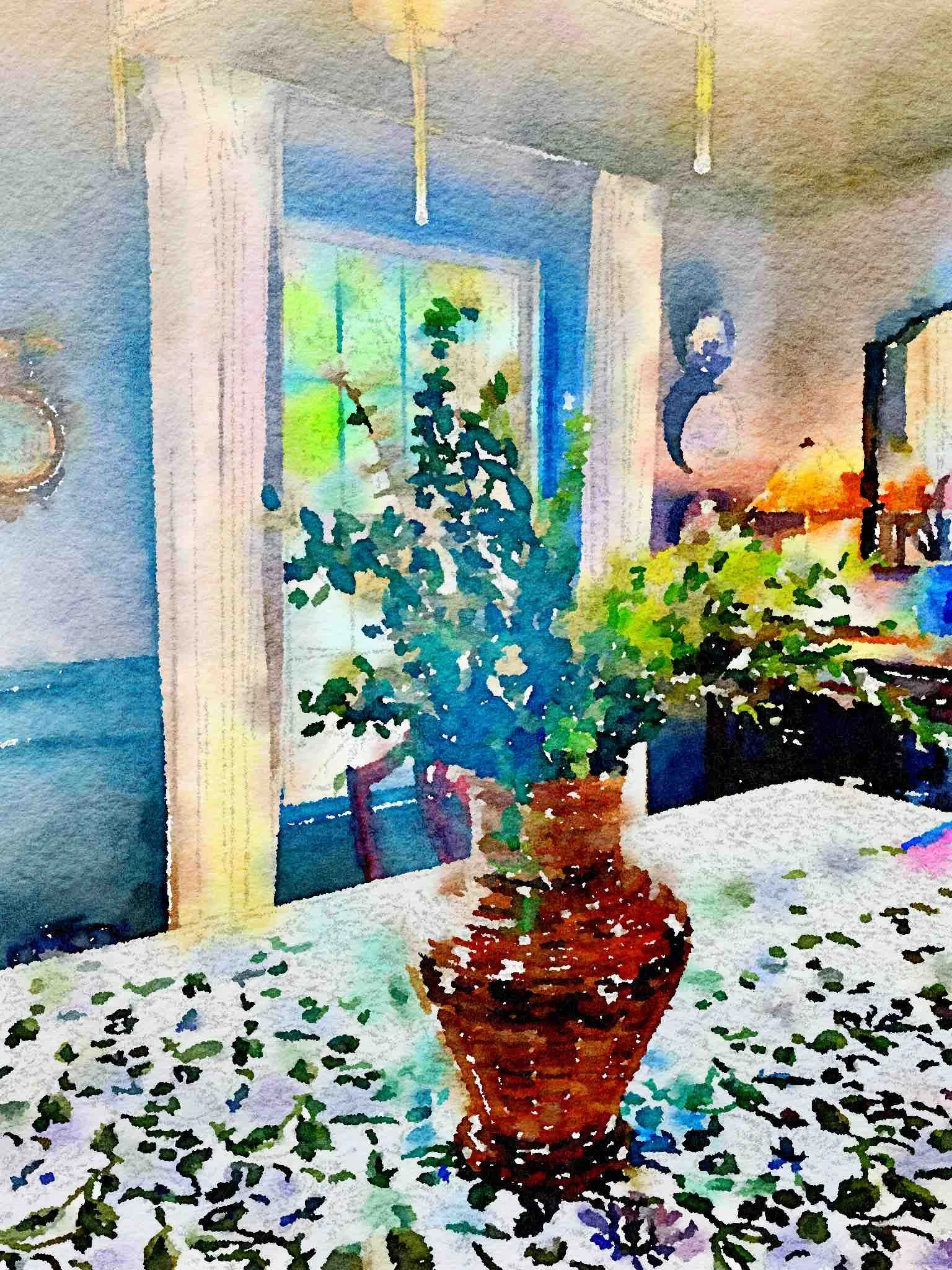
The Living Room: Where Comfort Meets Intention
Your living room is where people gather, where you collapse at the end of the day, where life unfolds in the in-between moments. It needs to feel soft enough to sink into and structured enough to hold its shape. Here's how you balance that:
Start with something grounding. A textured rug, like wool or sisal. It anchors everything. It's the foundation that tells the rest of the room how to behave.
Mix your seating finishes. Upholster your sofa in something durable and woven, like linen, cotton, a performance fabric that can handle real life. Then contrast it. A velvet chair. A leather ottoman. Something that makes you want to reach out and touch it.
Layer the small moments. A boucle throw. Chunky knit pillows. A smooth marble side table or a glass lamp base. These are the details that catch light differently, that make the room feel considered without trying too hard.
Guidelines I consider: Use three to four textures in a similar palette. A boucle chair, a linen sofa, a polished stone table in tonal neutrals creates depth without distraction.
The Dining Room: Restraint as Sophistication
The dining room isn't a showpiece. It's a backdrop for conversation, for meals that linger, for the people gathered around the table. Texture here should complement, not compete.
Let the table speak first. Natural wood grain. Stone. A lacquered finish that reflects light. The surface itself is the focal point, and everything else supports it.
Introduce softness strategically. A linen runner. Velvet seat cushions. Leather-upholstered chairs. These are the textures that warm the hard surfaces without overpowering them.
Look up. Lighting adds texture you don't always think about. A chandelier with beaded details. A hammered metal pendant. A fabric shade that softens overhead light. Small, but it shifts the entire mood.
The Kitchen: Making the Hardest Room Feel Warm
Kitchens are full of hard surfaces. Tile, stone, metal, glass. It's functional. It's necessary. And it can feel sterile if you're not careful. Texture is what makes a kitchen feel like a place you want to be, not just a place you work.
Contrast your surfaces. Glossy cabinetry against a honed stone backsplash. Matte black hardware on polished marble. The interplay between finishes is what creates visual interest.
Bring in natural elements. Woven counter stools. A wood cutting board left out on the counter. Ceramic bowls that hold fruit or nothing at all. These balance the cold precision of stainless appliances.
Don't overlook textiles. A patterned runner. A Roman shade in linen. These soften the room while staying completely functional.
Guidelines I consider: Let your functional items double as design. A stack of hand-thrown pottery. Wooden utensils in a ceramic crock. Texture that earns its place by being useful.
The Bedroom: A Cocoon of Intention
Texture in the bedroom isn't decorative. It's restorative. This is the room that should feel like an exhale. Soft, layered, enveloping. The kind of space you sink into at the end of the day and don't want to leave in the morning.
Layer your bedding like you mean it. Start with crisp cotton sheets, the kind that feel cool and clean. Add a quilted coverlet for weight. Top it with a velvet or linen duvet for volume. The depth comes from the contrast between textures, not just the pile-on of blankets.
Add tactile opposites. Smooth silk pillows against a chunky knit throw. Boucle against linen. The indulgence is in the variety, not the expense.
Anchor it underfoot. A high-pile rug or layered sheepskin. You want warmth when you step out of bed, not cold floor with a thin scrap of coverage.
How I think about it: Three layers for a cohesive, complete feel.
Foundation: Rug and headboard
Middle: Bedding
Accents: Pillows and throws
Everything else is unnecessary.
The Bathroom: Calm Without Coldness
Bathrooms default to sleek. Tile, stone, glass, metal. Clean lines and hard surfaces. Without texture, they feel clinical. With too much, they feel cluttered. The balance is delicate, but it's not complicated.
Soften the stone and tile. Plush towels, the kind that feel like a small luxury. A Turkish rug that doesn't slip. Woven baskets that hold what you don't want to see.
Introduce subtle variation. Warm polished nickel or unlaquered brass fixtures instead of chrome. A marble tray on the counter. Ceramic soap dishes instead of plastic dispensers. Small shifts that make a difference.
Mix your finishes. Glossy subway tile with honed stone counters. Brushed hardware against polished surfaces. The interplay between sheens creates depth without adding color.
Guidelines I consider: Varying sheens within the same palette. Matte, gloss, honed. It's texture through finish, not material.
The Entryway: The Moment That Sets Everything Else
The entryway is your first impression. It's also the easiest place to get wrong. Too sparse and it feels unwelcoming. Too busy and it feels like you're trying too hard. Texture is what makes it feel intentional.
Ground it immediately. A woven or patterned rug signals warmth before you even take off your coat.
Introduce natural dimension. A console in textured wood or stone. Ceramic vases. A metal tray. These create interest without clutter.
Add depth to the walls. Grasscloth wallpaper. A carved mirror. Framed fabric panels. Vertical texture makes the space feel taller and more considered.
Guidelines I consider: Choose one bold textural element (i.e. the rug, the mirror, the console) and let everything else stay restrained. It’s memorable without trying too hard.
What Texture Actually Does
Layering textures isn't about following a formula. It's about creating balance. Soft with structured. Matte with polished. Organic with refined. It's the difference between a room that looks good on a design plan and a room that feels good to be in.
And when you get it right, you don't notice the texture itself. You just notice that the room feels complete. That it has depth. That it engages your senses in a way that's quiet but undeniable. That's what we're after. Not perfection. Not trendiness.
Just rooms that feel like they belong to someone who knows what they want—and isn't afraid to layer it in slowly, intentionally, one texture at a time.
Ready to Create a Home That Feels This Intentional?
Texture is just one piece of designing a forever home that feels cohesive, complete, and completely yours. If you're ready to move beyond scattered inspiration and start making real decisions about color, materials, room layouts, and the plan that holds it all together. The Foundations of a Forever Home Playbook is your starting point.
Inside, you'll find:
Worksheets to clarify your vision (not just what you want your home to look like, but how you want to live in it)
Room-by-room planning guides for every space
A framework for layering color, texture, lighting, and finishing touches across your entire home
A long-term design plan that lets you decorate slowly, without the pressure to finish everything at once
This is the roadmap that takes you from "I don't know where to start" to "Here's exactly what I'm doing next."
[Get The Foundations of a Forever Home Playbook →]
Your home doesn't need to be perfect. It just needs to be intentional.