How to Mix Antique and Modern Decor Without It Looking Like a Mess
The homes that stop you mid-scroll have something in common. They're never entirely one style, there is usually a mix of old and new, high and low, sleek and rugged. It’s a modern sofa next to a worn leather trunk. An antique dining table with a modern sculptural chandelier. An ornate mirror hanging above a grasscloth console. That combination is what gives a home its character. Rooms decorated entirely in one era, whether that's all antique or all contemporary, tend to feel either stuffy or sterile. The tension between old and new is exactly what makes a space feel alive. Many people are afraid to try it, because without a framework it can go wrong fast. Here's how to do it right.
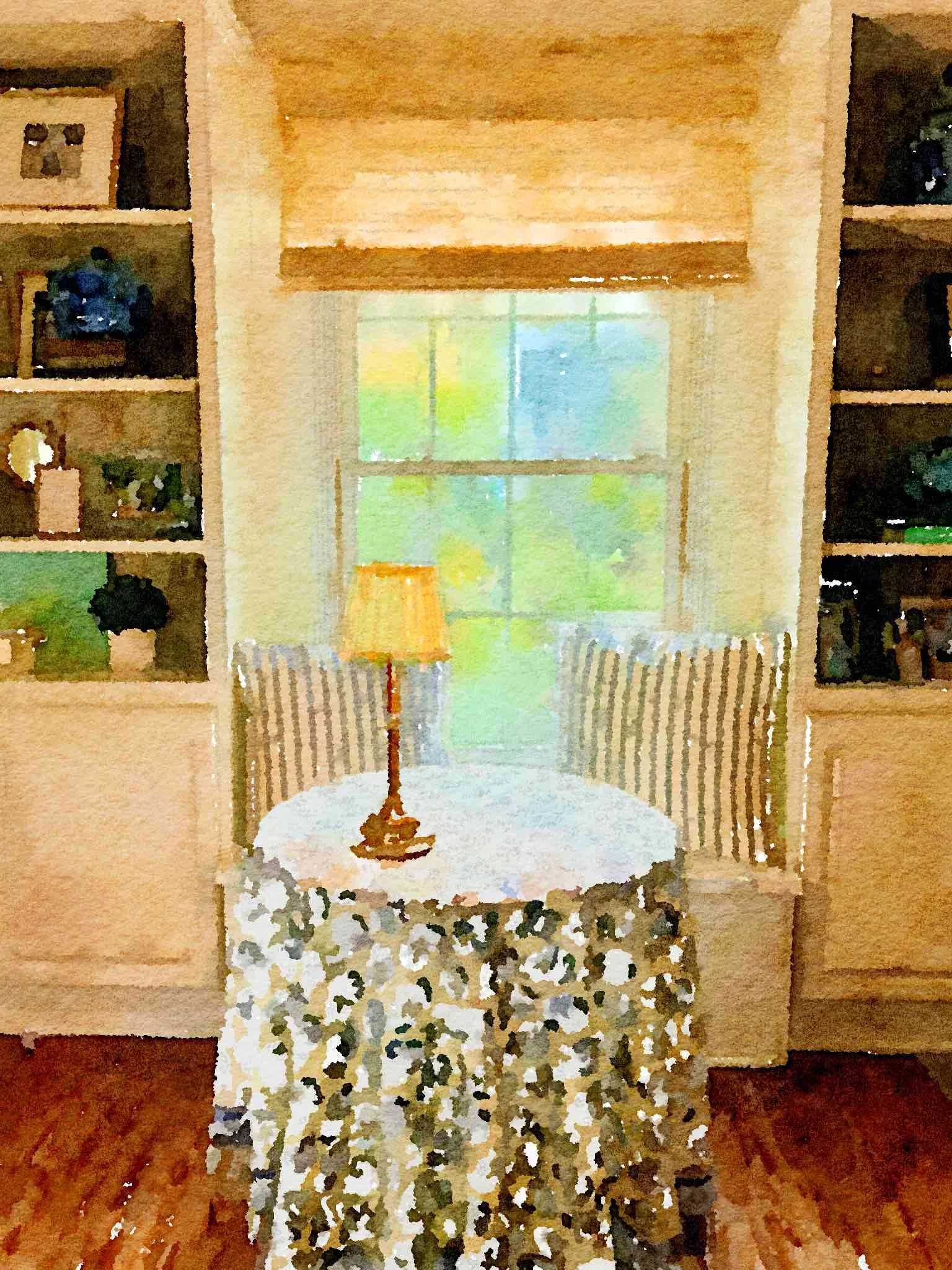
Decide which direction you're leaning
Blending antique and modern works best when you've committed to a base. Your room is either primarily modern with antique accents, or primarily antique in feel with modern pieces grounding it. Fifty-fifty rarely works. Pick your dominant direction, then let the other era play a supporting role.
A mostly modern room with one or two antique pieces feels collected and personal. A mostly antique room with one clean-lined modern piece feels fresh and intentional. Both work. A room with equal amounts of each, chosen without a clear point of view, looks like an estate sale.
Connect old and new through a shared element
The reason mismatched pieces look cohesive in well-designed rooms is that something ties them together. Usually it's one of three things: color, material, or scale.
Color: an antique wooden dresser stained the same color as your modern built-ins reads as intentional, not mismatched.
Material: a vintage brass lamp next to modern brass cabinet hardware creates a thread the eye follows.
Scale: a large antique armoire next to a large modern sectional feel balanced because they're working in the same visual weight class.
Before placing an antique piece in a modern room, ask yourself what it shares with what's already there. If the answer is nothing, that's your problem.
Let one antique piece be the focal point
The easiest way to introduce antiques into a modern home is to give one piece per room the starring role. A nineteenth-century writing desk in an otherwise contemporary home office. An ornate gilt mirror above a clean modern fireplace. A set of antique dining chairs around a simple modern table.
One statement antique does more work than five scattered ones. It gives the room personality without tipping into chaos.
Stop worrying about matching wood tones
This is one of the most common things holding people back. Mixed wood tones are fine. Expected, even. What matters is that the overall palette of the room is cohesive. If your walls, textiles, and larger pieces are working together, a walnut antique cabinet next to a white oak modern shelf will read as intentional layering, not a mistake.
Condition matters more than age
A beat-up antique with peeling veneer and a broken hinge does not add character. It adds clutter. If you're going to bring an antique piece into your home, make sure it's in good condition or restore it before it goes in. An antique that's been well cared for commands respect in a room. One that looks neglected just looks neglected.
Finally Finished: A Forever Home Blueprint explains that every piece in your home earns its place by being functional, meaningful, or genuinely beautiful. Age alone is not enough.